

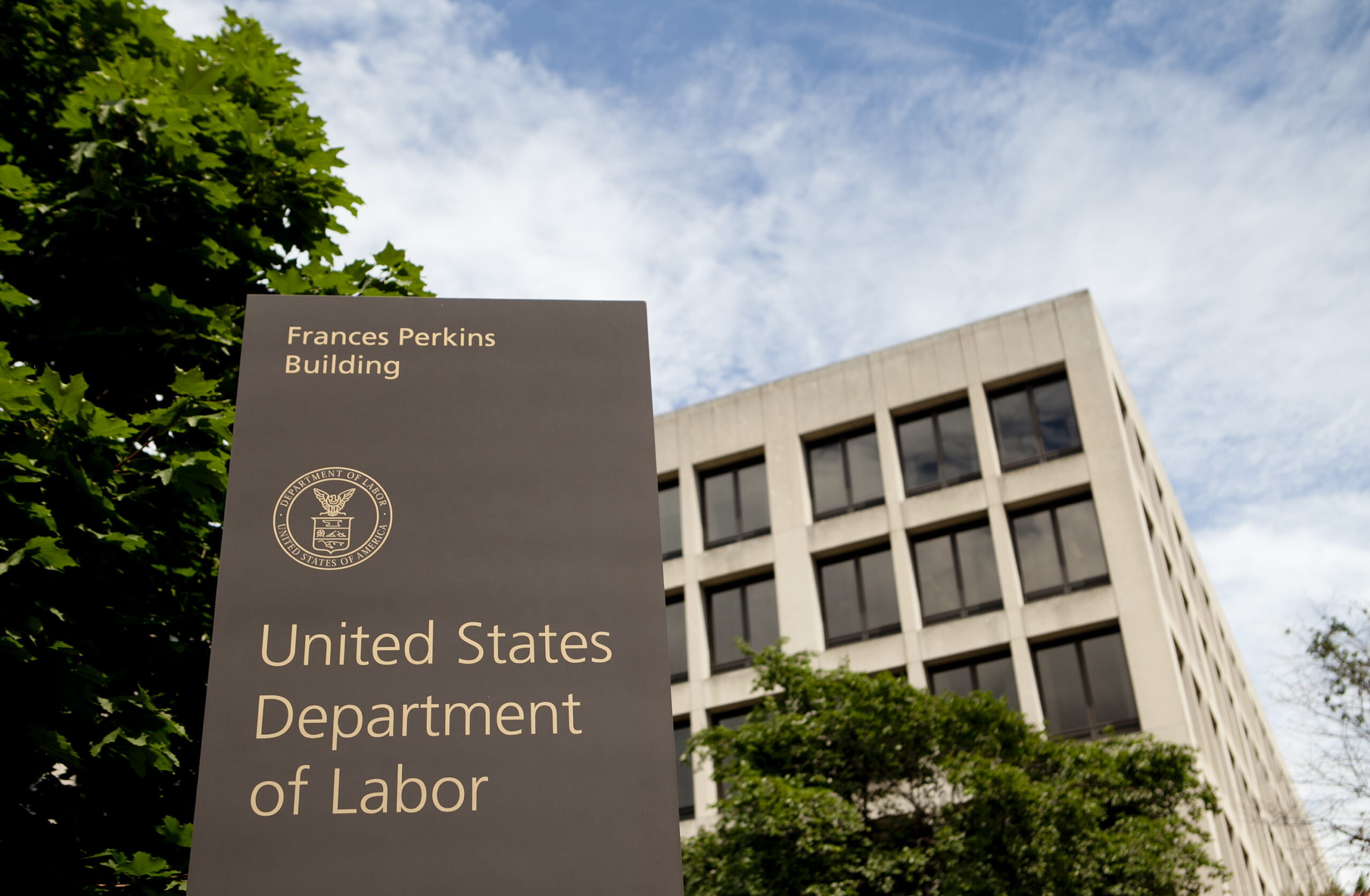
The U.S. Department of Labor (DOL) has proposed a new rule that could significantly reshape how employers approach hiring foreign talent. If implemented, the rule would substantially increase prevailing wage requirements for H-1B visa holders and employment-based immigrants, with direct implications for workforce planning, compensation strategy, and global mobility programs.
What Is Changing
The proposed rule adjusts how prevailing wages are calculated by increasing the percentile benchmarks used in the four-tier wage system. Currently, wage levels range from the 17th percentile (Level I) to the 67th percentile (Level IV). Under the proposal, those thresholds would rise to the 34th, 52nd, 70th, and 88th percentiles, respectively.
This shift would result in wage increases ranging from approximately 21% to 33%, depending on the role and experience level. For HR teams, this means that entry-level and mid-level roles could become significantly more expensive to sponsor.
Impact for Employers
For organizations that rely on high-skilled foreign talent, particularly in fields like technology and finance, the impact could be immediate:
- Increased hiring costs: Employers may need to offer salaries well above current market rates to meet compliance requirements.
- Reduced hiring flexibility: Entry-level H-1B candidates could become less viable due to disproportionate wage increases at lower experience levels.
- Workforce planning challenges: Budget forecasts and headcount strategies may need to be revisited.
In some cases, employers may face a difficult choice between increasing compensation structures or leaving critical roles unfilled.
Methodology Concerns
The proposed rule has also raised concerns among economists and policy analysts. Critics argue that the methodology used to justify the wage increases may not accurately reflect real labor market conditions.
For example, the rule assumes a wage gap between H-1B workers and U.S. professionals, despite research indicating that H-1B workers often earn comparable or even higher wages. Additionally, comparisons used in the analysis may not account for differences in experience levels or tenure, particularly since many H-1B workers are early in their careers.
Strategic Considerations for HR Teams
Given the potential scope of these changes, HR and global mobility leaders should begin preparing now:
- Audit current compensation structures to identify roles that may be impacted
- Model cost scenarios for future H-1B filings under higher wage thresholds
- Evaluate alternative visa strategies for early-career talent
- Monitor regulatory updates and potential litigation that could affect implementation timelines
Employers should also be aware that while private wage surveys remain permissible, their use may become more critical if government wage data continues to rise.
Looking Ahead
While the rule is still in the proposal stage and subject to a 60-day comment period, its potential impact is significant. Similar efforts in prior administrations faced legal challenges, so the final outcome remains uncertain.
However, one thing is clear: compensation strategy is becoming an increasingly central factor in business immigration planning. Organizations that proactively align their hiring and wage structures will be better positioned to navigate these changes and remain competitive in attracting global talent.