

As the H-1B registration period for the upcoming cap season progresses, employers are navigating a rapidly evolving policy environment. For HR professionals responsible for workforce planning and global hiring, staying informed about recent developments is becoming increasingly important. Several recent changes and legal developments indicate that the H-1B sponsorship landscape may continue to shift in the coming months and years.
Lawsuits and Legal Forms
Three developments are particularly relevant during this registration season: new questions added to Form I-129, the absence of legal challenges to a controversial weighted H-1B lottery rule, and recent litigation involving a significant H-1B fee imposed by the federal government. Together, these developments offer insight into the direction of future policy and the compliance risks employers may face.
Changes to the Petition for Nonimmigrant Worker Form I-129
Recent changes to Form I-129 reflect increased scrutiny of H-1B petitions. The U.S. Citizenship and Immigration Services recently released a new version of Form I-129 that includes additional questions in the H-1B Data Collection Supplement. These questions ask employers to provide more detailed information about the education, experience, skills, and supervisory duties required for the offered position.
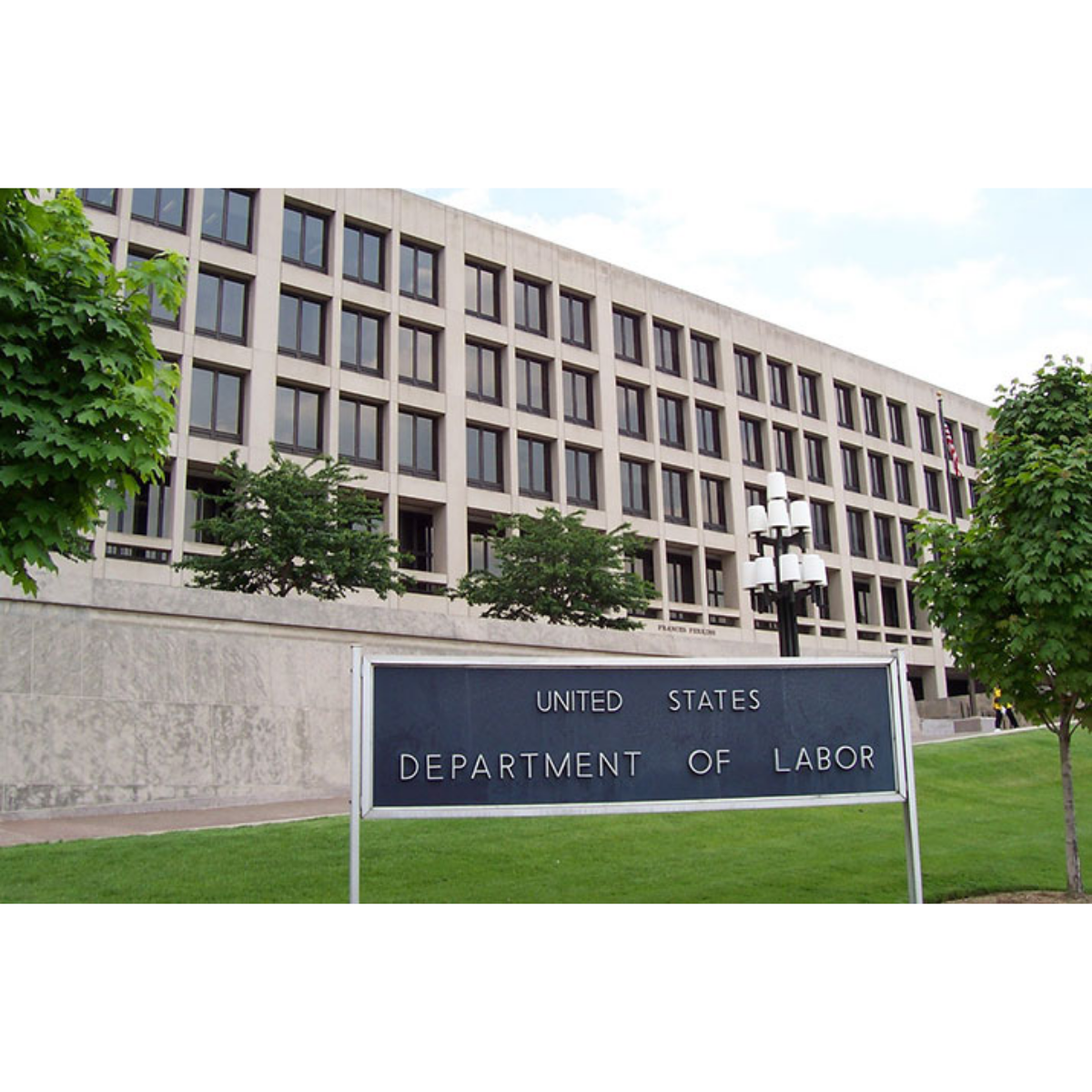
The structure of these questions closely mirrors guidance from the Department of Labor regarding how prevailing wage levels are determined. As a result, the form appears designed to help immigration officers evaluate whether the wage level selected by the employer aligns with the duties and qualifications listed in the petition. For HR teams and hiring managers, this change highlights the growing importance of accurate wage level analysis and well-documented job descriptions. Inconsistent or poorly explained wage level selections may increase the likelihood of Requests for Evidence (RFEs) or additional scrutiny during the adjudication process.
Policy Changes and Unfavourable Odds
At the same time, broader policy debates surrounding the H-1B selection process continue. A recently finalized rule would fundamentally change how the H-1B cap lottery is conducted by weighting selections based on prevailing wage levels. Under the proposed framework, petitions associated with higher wage levels would receive more chances in the lottery. A position classified at Wage Level IV would effectively receive four chances of selection, while a Wage Level I position would receive only one.
This approach represents a significant departure from the previous selection system, under which all registrations had an equal probability of selection. Many immigration attorneys and policy commentators have questioned whether the rule is consistent with the Immigration and Nationality Act, which historically has been interpreted to require that visas be issued in the order in which petitions are filed once the cap is reached.
Despite those concerns, no company or business organization has filed a lawsuit seeking to block the rule from taking effect during the current cap season. Observers have suggested several reasons for the lack of litigation. Some organizations may be concerned about potential retaliation from federal agencies. Others may be prioritizing legal resources toward challenges to different H-1B policies that could have broader financial consequences for employers.
One such policy is the $100,000 fee imposed on certain new H-1B visa petitions. The U.S. Chamber of Commerce and the Association of American Universities challenged the fee in federal court, arguing that the executive branch lacked the authority to impose what they described as an unlawful tax. In December 2025, a federal district court ruled against the Chamber and upheld the fee. The case is currently on appeal before the U.S. Court of Appeals for the District of Columbia Circuit.
Additional lawsuits related to the fee are also underway. Several plaintiffs have argued that the fee will significantly affect the ability of employers to recruit and retain international talent, particularly in specialized fields where U.S. companies rely heavily on graduates from American universities. These legal challenges will likely continue to shape the broader immigration policy environment.
The Big Picture
Taken together, these developments suggest that employers should expect continued policy activity affecting the H-1B program. Analysts anticipate that additional rules may be introduced in the near future. Some proposals could significantly increase required prevailing wage levels for H-1B positions, which could price certain employers and positions out of the program entirely. Other anticipated changes may target Optional Practical Training (OPT), the program that allows international students to gain work experience in the United States following graduation. Restrictions on OPT could reduce the ability of employers to recruit international graduates and eventually sponsor them for H-1B status.
For HR professionals, these potential changes raise important workforce planning considerations. Many U.S. companies rely on international graduates from American universities, particularly in fields such as engineering, computer science, and artificial intelligence. If policy changes reduce the availability of entry-level H-1B visas or restrict post-graduation work authorization, employers may face increased difficulty retaining these employees in the United States.
Organizations that rely on global talent may therefore need to evaluate their long-term immigration strategies. This could include earlier planning for visa sponsorship, closer coordination between HR and immigration counsel, and increased attention to wage level analysis and job classification. Maintaining flexibility in workforce planning may become especially important as the regulatory environment continues to evolve.
While the outcome of ongoing litigation and future rulemaking remains uncertain, one conclusion is clear. Employers who stay informed about policy developments and proactively evaluate their immigration strategies will be better positioned to navigate the changing landscape of H-1B sponsorship. For HR teams responsible for talent acquisition and retention, understanding these developments is an essential part of supporting the organization’s long-term workforce needs.
If you would like assistance assessing how this may affect your immigration matters, including filing strategies, compliance planning, or addressing urgent deadlines, please contact our office.