

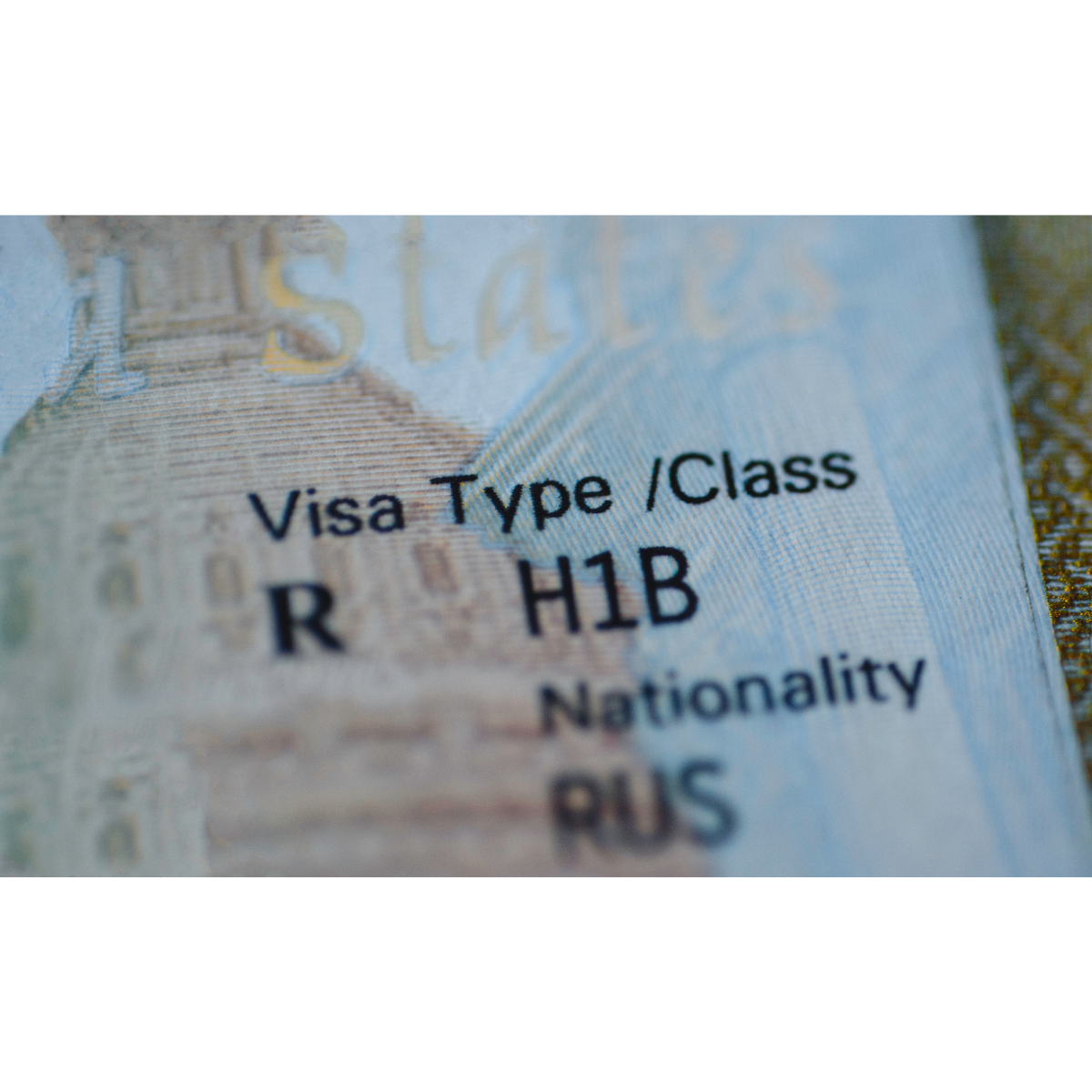
Employers and foreign national employees should be aware of an emerging trend in U.S. immigration adjudications: USCIS has increasingly been issuing Requests for Evidence (RFEs) in certain H-1B and other employment-based filings that require beneficiaries to provide updated residential information and attend biometrics appointments. Examples of biometrics include fingerprinting and facial recognition used for identification.
Historically, biometrics appointments have not been a routine part of the H-1B petition process. However, recent practitioner reports indicate that USCIS is selectively applying enhanced identity verification and security screening measures in some employment-based cases, potentially signaling a broader compliance and enforcement initiative.
What Is USCIS Requesting?
Recent RFEs have reportedly included requests for:
- Confirmation of the beneficiary’s current U.S. residential address
- Attendance at a USCIS Application Support Center (ASC) for fingerprinting and photographs
- Additional identity verification documentation
- Clarification regarding physical presence in the United States
These RFEs appear to be case-specific and are not currently part of a formal regulatory change affecting all H-1B petitions.
Why Is This Happening?
While USCIS has not issued comprehensive public guidance explaining this development, the trend may be related to the USCIS announcement on March 30, 2026, “Update on USCIS’ Strengthened Screening and Vetting,” and reflects:
- Expanded fraud prevention initiatives
- Heightened national security screening
- Increased identity verification protocols
- Broader fingerprint-based background checks
- Enhanced review of cases involving adverse or inconsistent information
This development is consistent with a broader trend toward stricter adjudicatory scrutiny in employment-based and other immigration filings.
For example, CBS News recently reported that some adjustment of status (“green card”) and other immigration filings are being delayed due to additional security checks being required. While USCIS has stated this is a brief delay, these additional security checks may cause cascading delays with longer-term impacts. We will monitor further delays and trends if and when they arise.
Potential Impact on Employers
For sponsoring employers, these biometrics RFEs may create:
- Adjudication Delays: Biometrics scheduling and processing may significantly extend H-1B petition timelines, including premium processing cases.
- Workforce Planning Challenges: Unexpected delays may affect onboarding (unless they commence work subsequent to filing through the H-1B job portability provisions), work authorization continuity, and employee mobility.
- Increased Compliance Burdens: Employers and foreign nationals may need to coordinate more closely with counsel to ensure timely responses and appointment attendance.
What Employers & HR Professionals Should Do
If an H-1B employee receives such an RFE:
- Respond promptly and accurately to all USCIS requests.
- Ensure the beneficiary attends any scheduled biometrics appointment.
- Monitor case progress carefully for further delays.
- Work closely with immigration counsel to avoid procedural missteps.
- Prepare for longer adjudication timelines in strategic workforce planning.
Key Takeaways
Although this trend does not currently represent a universal H-1B biometrics requirement, it does suggest that USCIS may be implementing broader discretionary security measures in selected cases.
Employers should view these RFEs as an important procedural development that may:
- Increase processing unpredictability
- Add compliance obligations
- Delay hiring or employee transitions
- Signal heightened government scrutiny of employment-based immigration filings
Klug Law Firm Perspective
As USCIS adjudication trends continue to evolve, proactive planning and close legal oversight remain essential. Employers should anticipate the possibility of additional scrutiny and build flexibility into immigration timelines accordingly.
Our firm is actively monitoring these developments and advising corporate clients on best practices to mitigate delays and maintain compliance.
For questions regarding H-1B filings, RFEs, or broader business immigration strategy, please contact Klug Law Firm.